
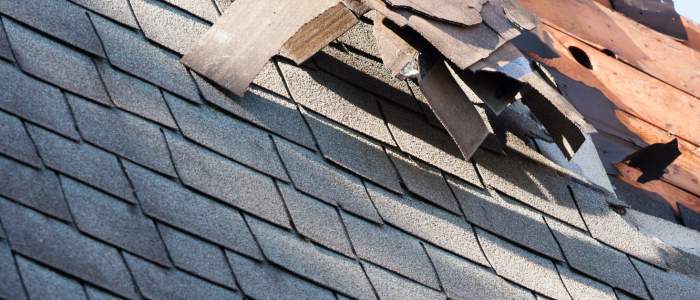
When part of your roof suddenly blows off, it’s more than just damage—it’s an emergency. Wind, rain, and debris can now enter your home, putting everything at risk.
The panic is real, but acting fast is what truly matters. Imagine turning a potentially massive repair bill into a manageable fix simply by taking the right steps immediately. The good news? You don’t need to feel helpless. With the right approach, you can protect your home, minimize damage, and regain control quickly.
In this guide, you’ll discover exactly what to do next to secure your roof and prevent the situation from getting worse.
When the Storm Passes and Part of Your Roof Is Gone
I’ve responded to hundreds of storm-damage calls over the years, and I’ll tell you — a roof that’s partially blown off is one of the most urgent situations a homeowner can face. In the adrenaline of the moment, people often do one of two things: they panic and make dangerous decisions, or they underestimate the damage and wait too long.
This guide will help you do neither. Whether you’ve lost a handful of shingles, a whole section of your roof, or you’re dealing with decking that’s been torn away entirely, the steps below will walk you through exactly what to do — in the right order.
Even a single missing shingle leaves the underlayment exposed. Water doesn’t need a large opening — it just needs an invitation.— Professional Roofer’s Rule #2
Why It Happens
Why Does a Roof Blow Off in a Storm?
Shingles are engineered to stay put — most are rated to withstand winds of 90–130 mph depending on the product. But several factors can make a roof far more vulnerable than it should be:
High Wind Uplift
Wind doesn’t just push horizontally — it creates upward suction pressure on roofs, especially at edges, corners, and ridges. Wind damage often begins around 45–50 mph on older roofs. During a severe storm, gusts can far exceed that. Once one shingle lifts, neighboring shingles become immediately more vulnerable.
Improper Nailing at Installation
Shingles nailed too high, too low, or with too few fasteners are far more likely to be lifted by wind. Incorrect nail placement during installation is one of the most common — and preventable — reasons roofs fail in storms. This is something only a trained roofer would spot during an inspection.
Aging Adhesive Strips
Shingles bond together using tar adhesive strips that activate with heat. Over time, these dry out and lose their grip — meaning the shingles are essentially just sitting there, held by their nails alone. On a roof over 15–20 years old, dried-out adhesive is a major factor in wind blow-offs.
Previous Damage Left Unrepaired
A cracked, curled, or previously lifted shingle is a weak point waiting to be exploited. Roofs that haven’t been regularly inspected often have minor damage that makes them significantly less storm-resistant than they should be.
Impact from Debris or Falling Trees
Flying debris, falling branches, and direct tree strikes during storms can tear away sections of roofing regardless of the shingles’ condition. Impact damage typically removes shingles and the decking beneath simultaneously — the most serious scenario.
Immediate Action Plan
What to Do Right Now — Step by Step
Follow these steps in order. The first priority is always your safety. Roofing materials and structure can be repaired or replaced. You cannot.
Prioritize Safety First
Stay away from the area beneath any sagging ceiling or visible structural damage. If water is near electrical outlets, light fixtures, or your breaker box — shut off power to that area immediately. If the roof structure appears to be caving or a tree has struck the building, evacuate and call emergency services before anything else.
Do NOT Climb on the Roof
I cannot stress this enough. A storm-damaged roof is one of the most dangerous surfaces a person can walk on — wet, structurally compromised, and unpredictable. Even if you’re a confident DIYer, stay off the roof until a professional has inspected and cleared it. Falls from roofs are a leading cause of serious injury and death.
Contain Water Damage Inside
Place buckets under any active drips. Move electronics, furniture, and valuables away from the affected area and cover them with plastic sheeting. If you see a ceiling bulging with trapped water, carefully pierce the lowest point of the bulge with a screwdriver to give it a controlled outlet — this prevents a sudden ceiling collapse.
Document Everything Before Touching Anything
Photograph and video the damage thoroughly — exterior, interior, and any debris in your yard. Capture wide shots and close-ups. Timestamp your documentation. This is critical for your insurance claim. Do this before any cleanup or temporary repairs are made. The more evidence you have, the stronger your claim.
Apply a Temporary Tarp (If Safe — Or Hire Someone)
If it’s safe to do so from ground level or an upstairs window, you can drape a heavy-duty waterproof tarp over the affected area and weigh it down with boards or sandbags. Anchor it so water runs over it, not under it. Do not use nails or screws — they create additional holes and can void your insurance. Better yet, call a roofer to do this part properly.
Call a Licensed Emergency Roofer
Contact a qualified roofing contractor who offers emergency services. A professional can safely inspect the full extent of the damage — including hidden damage that isn’t visible from the ground — apply emergency protection, and give you an accurate assessment for insurance purposes. Look for a roofer who is licensed, insured, and experienced with storm claims.
Call Your Insurance Company
Notify your homeowners insurance provider as soon as the immediate situation is under control. Wind damage from storms is typically covered under standard policies. Have your photos, videos, and the roofer’s written assessment ready. Ask specifically about emergency repair coverage — many policies cover temporary protective measures like tarping while you wait for permanent repairs.
Quick Reference
Do’s and Don’ts After Your Roof Blows Off
Do This
- Stay off the roof — always
- Photograph damage before cleanup
- Shut off power near any water
- Protect valuables inside immediately
- Call a licensed roofer for emergency tarping
- Contact insurance right away
- Get a written, itemized estimate
- Check your attic for hidden water damage
Don’t Do This
- Climb on a wet or damaged roof
- Nail tarps through the damaged area
- Hire the first door-to-door contractor
- Delay calling your insurance company
- Attempt a DIY permanent shingle repair
- Ignore what looks like minor damage
- Clean up debris before documenting it
- Pay upfront in full before work is done
Insurance Claims
Navigating the Insurance Claim
The good news: if your roof blew off during a storm, there’s a very strong chance it’s covered by your homeowners insurance. Wind and storm damage are among the most commonly covered events under standard policies. Here’s how to maximize your claim:
What to Have Ready When You Call
- Date and approximate time the damage occurred
- Photo and video documentation (taken before cleanup)
- A written inspection report from a licensed roofer
- Itemized repair or replacement estimate
- Records of any emergency protective measures taken (tarping costs, etc.)
- Your policy number and a list of damaged personal property inside the home
One important note: insurers can deny claims if they determine the damage resulted from a lack of maintenance rather than the storm itself. This is why routine inspections matter — a well-documented maintenance history strengthens your position. A reputable roofing contractor experienced with storm claims can also help you understand and navigate the claims process.
Be cautious of storm chasers — out-of-town contractors who follow severe weather events and go door-to-door offering cheap, fast repairs. They often do poor-quality work, leave before fixing issues, and can complicate your insurance claim. Always hire a local, licensed, and insured roofer with verifiable reviews.
Repair vs Replace
Repair, or Replace the Whole Roof?
Once the emergency is under control, you’ll face this question. Here’s how professionals think about it:
Targeted Repair Makes Sense When:
The blown-off section is localized to one area, the rest of the roof is in good structural shape, the roof is relatively young (under 12–15 years old), and the underlayment and decking beneath the damaged section are intact.
Full Replacement Is Usually the Better Choice When:
The roof is already 20+ years old, when wind damage shows up across multiple slopes or sections, when the decking or framing beneath is compromised, or when the repair cost approaches or exceeds what replacement would cost after accounting for insurance coverage. A partial repair on an aging roof often just delays the inevitable by a few years.
A trustworthy roofer will give you an honest assessment rather than automatically pushing for full replacement. Get at least two professional opinions before making your decision.
FAQs
How fast can water damage occur once a section of roof is missing?
Very fast. Even a single missing shingle exposes the underlayment to rain, and water can begin soaking into your roof decking, insulation, and ceiling drywall within a single rain event. Mold can begin developing in as little as 24–48 hours in wet organic material. Time is genuinely critical here.
Will insurance cover a blown-off roof?
In most cases, yes. Wind and storm damage to roofs are covered under standard homeowners insurance policies. Coverage may be limited or denied if the insurer determines poor maintenance contributed to the failure. Document everything thoroughly, and have a licensed roofer provide a written damage assessment to support your claim.
How much does emergency roof repair cost?
Emergency tarping typically runs between $300 and $600 depending on roof size, pitch, and access. Partial shingle replacement on a localized section can range from several hundred to a few thousand dollars. Full roof replacement costs vary widely based on materials, square footage, and region. Your insurance should cover most or all storm-related costs above your deductible.
Is it safe to stay in the house after part of the roof blew off?
It depends on the extent of the damage. If the damage is limited to shingles with no structural compromise and no active water near electrical systems, staying is often safe while you arrange repairs. If there is visible ceiling sagging, structural damage, a tree through the roof, or water near wiring, leave the affected area or vacate entirely until a professional clears the structure.
How do I find a trustworthy emergency roofer?
Look for a locally established company with verifiable Google reviews, a valid contractor’s license in your state, and proof of liability and workers’ comp insurance. Avoid anyone who shows up unsolicited after a storm, asks for full payment upfront, or won’t provide a written estimate. A good roofer will also be willing to work with your insurance adjuster directly.
Final Thought
A partially blown-off roof is scary, but it’s fixable. What makes it worse is waiting. The storm has already done its damage — what happens in the next few hours and days determines how much of that damage spreads into your ceilings, walls, insulation, and framing.
Stay safe, document everything, get a tarp on it fast, and call a licensed professional you can trust. Don’t let a stressed moment lead you to a bad contractor or a poorly handled insurance claim. You have rights as a homeowner — and a good roofer is your best advocate in this process.
Your home protected you. Now it’s your turn to protect it back.