
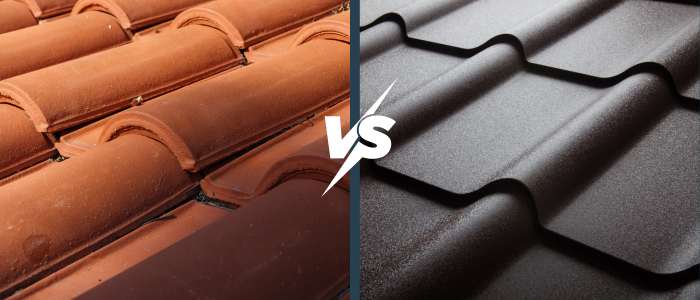
When homeowners start looking into types of roof tiles, one question comes up again and again: should you choose clay or concrete roof tiles? On the surface, both look similar. Both are strong, durable, and widely used in modern and traditional homes. But from a roofer’s point of view, the difference becomes clear only after years of real-world performance.
This is not just a simple roof tile comparison. It is about choosing the right roofing material that will protect your home, handle your climate, and deliver long-term value.
Let’s break it down the way a professional roofer would explain it on-site.
Understanding the Basics of Tile Roofing Materials
Before comparing them, it’s important to understand what you’re actually installing on your roof.
Clay tiles are made from natural earth materials that are fired at very high temperatures. This process turns them into a ceramic-like material that becomes extremely durable and resistant to heat. That is why clay is often considered one of the most long-lasting roofing materials available.
Concrete tiles, on the other hand, are made from cement, sand, and water. They are molded and cured instead of fired. This makes them more affordable and flexible in design, which is why they are popular in modern construction.
Both fall under premium tile roofing materials, but their performance differs over time.
Lifespan and Long-Term Durability
One of the biggest differences you will notice in any roof tile lifespan comparison is how long each material lasts.
Clay tiles are known to last 50 to 100 years or even more. In many cases, they outlive the structure itself. This is because they are naturally resistant to sunlight, heat, and environmental damage.
Concrete tiles are also durable, but they usually last around 30 to 50 years. Over time, they can absorb moisture, which slowly affects their strength and surface condition.
From a roofer’s experience, if you are looking for durable roofing options that require minimal replacement, clay tiles clearly stand out.
Cost Comparison and Long-Term Value
When discussing roof tile cost comparison, concrete tiles usually win at the beginning. They are more affordable and easier to install, which reduces upfront cost.
Clay tiles are more expensive due to their manufacturing process and premium quality. However, when you look at them as a long-term roofing investment, the picture changes.
Because clay lasts longer and requires less maintenance, it often becomes more cost-effective over time. Concrete may save money initially, but maintenance and earlier replacement can increase total cost in the long run.
Performance in Hot and Humid Climates
Choosing the best roof tiles for hot climate conditions is critical, especially in regions with strong sunlight and humidity.
Clay tiles perform extremely well in heat. They naturally reflect sunlight and reduce heat transfer into the house, making them one of the most energy-efficient roofing options available.
Concrete tiles also provide insulation, but they tend to absorb more heat and moisture. In humid environments, this can lead to moss or algae growth if not maintained properly.
For tropical climates, clay is often the more reliable choice.
Maintenance and Roof Care
When it comes to low maintenance roofing, clay tiles require very little attention. Once installed properly, they can go for decades with only occasional inspection.
Concrete tiles require more active care. Over time, you may need to clean them and apply sealing to prevent moisture absorption. Proper concrete tile roof maintenance is essential to keep them in good condition.
This difference becomes more noticeable as the roof ages.
Appearance and Design Flexibility
From a design perspective, both materials offer unique advantages.
Clay tiles provide a traditional and premium look. Their natural color does not fade because it is part of the material itself. This makes them ideal for homeowners who want a timeless appearance and strong roof curb appeal.
Concrete tiles offer more flexibility. They come in various shapes, textures, and colors, making them suitable for modern roofing design styles. However, their color may fade over time since it is usually applied on the surface.
Structural Considerations
Both clay and concrete tiles are heavy, which means your roof must be designed to support them.
This is one of the most overlooked parts of choosing strong roofing materials. If the structure is not strong enough, reinforcement may be needed before installation.
From a roofer’s perspective, checking the structure is always the first step before selecting any tile roofing system.
Full Comparison Table
| Feature | Clay Roof Tiles | Concrete Roof Tiles |
|---|---|---|
| Lifespan | 50–100+ years | 30–50 years |
| Cost | Higher upfront | More affordable |
| Durability | Extremely durable | Durable but shorter lifespan |
| Maintenance | Very low | Moderate |
| Heat Resistance | Excellent | Good |
| Moisture Resistance | High | Medium |
| Appearance | Natural, premium | Flexible design options |
| Color Fade | No | Yes (over time) |
| Weight | Heavy | Very heavy |
| Best Use | Long-term homes | Budget-friendly projects |
Real Roofer’s Verdict
From real-world roofing experience, the difference is simple.
Clay tiles are best for homeowners who want durability, low maintenance, and long-term value. They are ideal if you are planning to stay in your home for many years.
Concrete tiles are better for those who want a more affordable option with flexible design choices and are willing to handle some maintenance over time.
Both are reliable roofing material options, but they serve different needs.
FAQs
What is the main difference between clay and concrete roof tiles?
The main difference is in material and performance. Clay tiles are natural and last longer with less maintenance, while concrete tiles are more affordable but require more care over time.
Which is better for long-term use?
Clay tiles are considered better for long-term use because they are among the most long-lasting roofing materials and can last over 50 years or more.
Are concrete roof tiles good for humid climates?
Concrete tiles can work in humid climates, but they require proper maintenance, including cleaning and sealing, to prevent moisture-related issues.
Final Thought
Choosing between clay and concrete roof tiles is not about picking the most popular option—it is about choosing what works best for your home.
If you want a roof that lasts for decades with minimal effort, clay is a strong investment. If you need something more budget-friendly with design flexibility, concrete is a practical solution.
In the end, the best roofing decision comes from understanding your needs, your climate, and the long-term performance of the material—not just the price.