
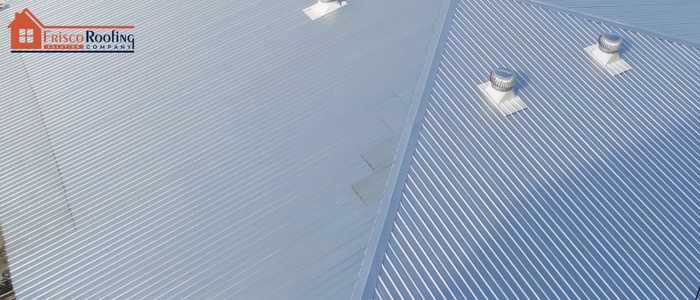
Industrial metal roofs are a long-term investment that protects manufacturing facilities, warehouses, and commercial buildings from harsh weather and environmental stressors.
While metal roofs are known for their durability, fire resistance, and energy efficiency, proper maintenance is essential to maximize their lifespan. Routine inspections, cleaning, and repairs prevent costly issues like leaks, rust, or structural damage.
Industrial roofs are often exposed to heavy rainfall, hail, high winds, and fluctuating temperatures, which can accelerate wear if left unmonitored. Maintenance also ensures energy efficiency by preserving reflective coatings and proper ventilation.
For industrial facilities, a proactive maintenance plan safeguards equipment, reduces operational downtime, and maintains the facility’s structural integrity. By addressing minor issues before they escalate, building managers can protect both their roof and their bottom line while keeping the facility safe and operational.
Why Industrial Metal Roof Maintenance Is Essential
Maintaining an industrial metal roof protects your investment, prevents costly repairs, and ensures long-term performance. Regular inspections and upkeep extend the roof’s lifespan, maintain energy efficiency, and safeguard structural integrity, keeping your facility safe and operational under harsh environmental conditions.
Inspect for Rust and Surface Corrosion
Metal panels can develop rust or corrosion, particularly around scratches, edges, or areas where the protective coating has worn. Regularly examine all surfaces and treat minor rust immediately with a metal primer. Prompt attention prevents further deterioration, structural weakening, and potential leaks, ensuring the roof remains durable and effective for decades.
Monitor Fasteners and Screws
Fasteners, screws, and bolts are critical for roof stability. Over time, they can loosen, shift, or corrode, compromising the roof’s integrity. Inspect all fasteners, especially around vents, skylights, and penetrations, and tighten or replace as necessary. Proper maintenance of fasteners prevents leaks, panel displacement, and long-term structural damage.
Key Maintenance Tasks for Industrial Metal Roofs
- Regular Inspections: Conduct annual inspections and after major weather events to detect leaks, rust, or loose components.
- Cleaning Panels: Remove dirt, debris, and leaves using low-pressure water or soft brushes to avoid scratching surfaces.
- Gutter and Downspout Maintenance: Ensure gutters are clear to prevent water backup that can lead to leaks or ice dams.
- Flashing Checks: Inspect and repair flashing around chimneys, vents, and skylights to maintain a watertight seal.
- Paint and Coating Maintenance: Apply fresh protective coatings when needed to preserve reflective properties and prevent corrosion.
- Trim Overhanging Branches: Keep trees away from the roof to avoid scratches or damage during storms.
- Snow and Ice Management: Install snow guards and ensure proper insulation and ventilation to prevent ice dam formation.
Seasonal Considerations for Metal Roof Longevity
Industrial metal roofs face different challenges depending on the season. During winter, ice dams and heavy snow loads can strain the roof, requiring snow removal and professional inspections.
Summer heat can cause metal expansion, making ventilation and UV-protective coatings critical. Storm-prone seasons demand extra inspections for loose panels, damaged fasteners, and debris removal.
Proper seasonal maintenance ensures panels remain tightly secured, coatings remain effective, and drainage systems function efficiently. Industrial facilities that address these seasonal impacts prevent structural damage, maintain energy efficiency, and reduce the risk of costly repairs.
Proactive care tailored to seasonal conditions helps industrial roofs withstand extreme weather, protecting both the facility and the equipment inside while extending roof lifespan.
Maintaining Industrial Roof Systems
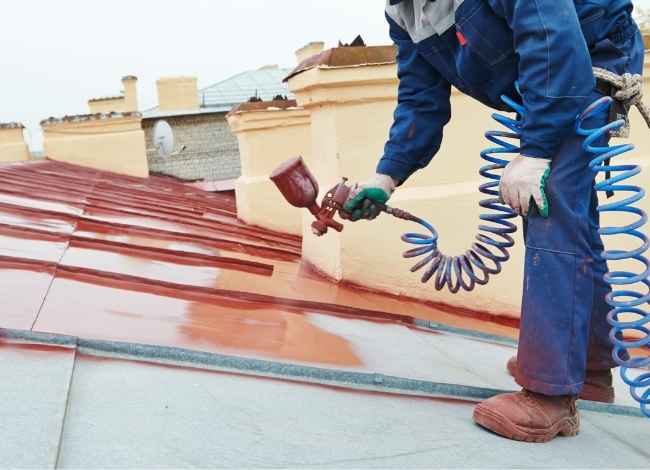
Routine care of industrial metal roofing systems includes cleaning, inspections, and minor repairs. Fasteners, panel seams, and flashing require frequent monitoring to prevent leaks and corrosion.
Proper attention to these components ensures the roof can withstand heavy rains, hail, snow, and high winds. Maintaining the paint system and protective coatings preserves aesthetic appeal and energy efficiency.
In addition, periodic professional inspections provide a comprehensive assessment, catching potential issues before they escalate. Combining regular maintenance with expert guidance safeguards industrial operations, reduces downtime, and maximizes the lifespan and performance of your metal roof.
Industrial Roof Safety Measures
Ensuring safety during industrial metal roof maintenance is critical. Roofs can be slippery, elevated, and exposed to harsh weather. Implementing proper safety protocols, using the right tools, and knowing when to call professionals reduces accidents, protects workers, and preserves the roof’s structural integrity over time.
Safety During Inspections
Always wear fall protection equipment, including harnesses and safety lines, when performing inspections on industrial metal roofs. Ensure footwear is slip-resistant, and use ladders or scaffolding properly.
Taking these precautions minimizes accident risks while allowing thorough assessments of panel conditions, fasteners, and other critical roof components.
Handling Tools and Equipment
When maintaining metal roofs, select non-abrasive tools to avoid scratching or damaging panels. Avoid high-pressure washers, which can remove coatings or dent surfaces. Use soft brushes, mild detergents, and controlled water pressure.
Proper tool use prevents roof deterioration and ensures maintenance tasks are effective without compromising the roof’s protective layer.
Professional Assistance
Certain tasks, such as repairing flashing, replacing panels, or addressing structural damage, require experienced professionals. Hiring trained contractors ensures repairs are done safely and correctly.
Professionals can identify hidden problems, follow manufacturer guidelines, and implement solutions that prevent future issues, preserving both worker safety and the long-term performance of the roof.
Industrial Roof Maintenance Checklist
A structured maintenance checklist ensures consistency and prevents oversights. The following table outlines essential tasks, frequency, and notes for industrial metal roofs:
| Task | Frequency | Notes |
|---|---|---|
| Roof Inspection | Annually + post-storm | Check panels, seams, flashing, fasteners |
| Cleaning Panels | Biannually | Use garden hose or low-pressure cleaning, avoid harsh abrasives |
| Fastener Tightening | Every 5-10 years | Particularly for screw-down roofs; replace worn fasteners |
| Rust and Corrosion Treatment | As needed | Apply primer and touch-up paint to prevent expansion |
| Flashing & Sealant Check | Annually | Repair cracks or damaged areas |
| Gutter Maintenance | Seasonal | Remove leaves, debris; prevent water backup |
| Snow & Ice Management | Winter | Install snow guards; monitor ice dam formation |
FAQs
How often should industrial metal roofs be inspected?
Industrial metal roofs should be inspected at least once annually, with additional checks following severe storms or extreme weather. Extra inspections are recommended in areas prone to heavy snowfall, hail, high winds, or coastal conditions to ensure long-term durability and performance.
Can rust be repaired on an industrial metal roof?
Yes, small rust spots can be effectively repaired by gently removing corrosion with a wire brush, applying a rust-inhibiting metal primer, and finishing with a compatible topcoat paint. Prompt treatment prevents rust from spreading, ensuring structural integrity and maintaining aesthetic appeal.
What are the benefits of professional maintenance?
Professional maintenance ensures roof safety, proper handling of tools and materials, and early detection of potential issues. Experts follow manufacturer guidelines, can perform complex repairs, and help preserve warranties, maximizing the roof’s lifespan and preventing costly future problems.
How can I prevent damage from branches or falling debris?
Regularly trim overhanging tree branches to avoid contact with the roof surface. In high-risk areas, install protective barriers or roof guards to shield panels from falling debris, preventing scratches, dents, and potential leaks that could compromise roof performance.
Final Thoughts
Industrial metal roofs provide unmatched durability, energy efficiency, and long-term protection for commercial and industrial buildings. However, even the strongest metal roof requires consistent maintenance to remain effective.
Regular inspections, cleaning, fastener tightening, and proactive repairs prevent corrosion, leaks, and structural issues, ensuring the roof continues to perform under harsh environmental conditions.
By following a structured maintenance plan and considering seasonal challenges, building managers can extend the life of their industrial metal roof, reduce costly repairs, and maintain safety and energy efficiency.
Investing time in preventive maintenance safeguards both the facility and its assets, providing peace of mind and maximizing the roof’s return on investment over decades of use.